🔬 316 vs 304 Stainless Steel Cookware: What's the Real Difference?
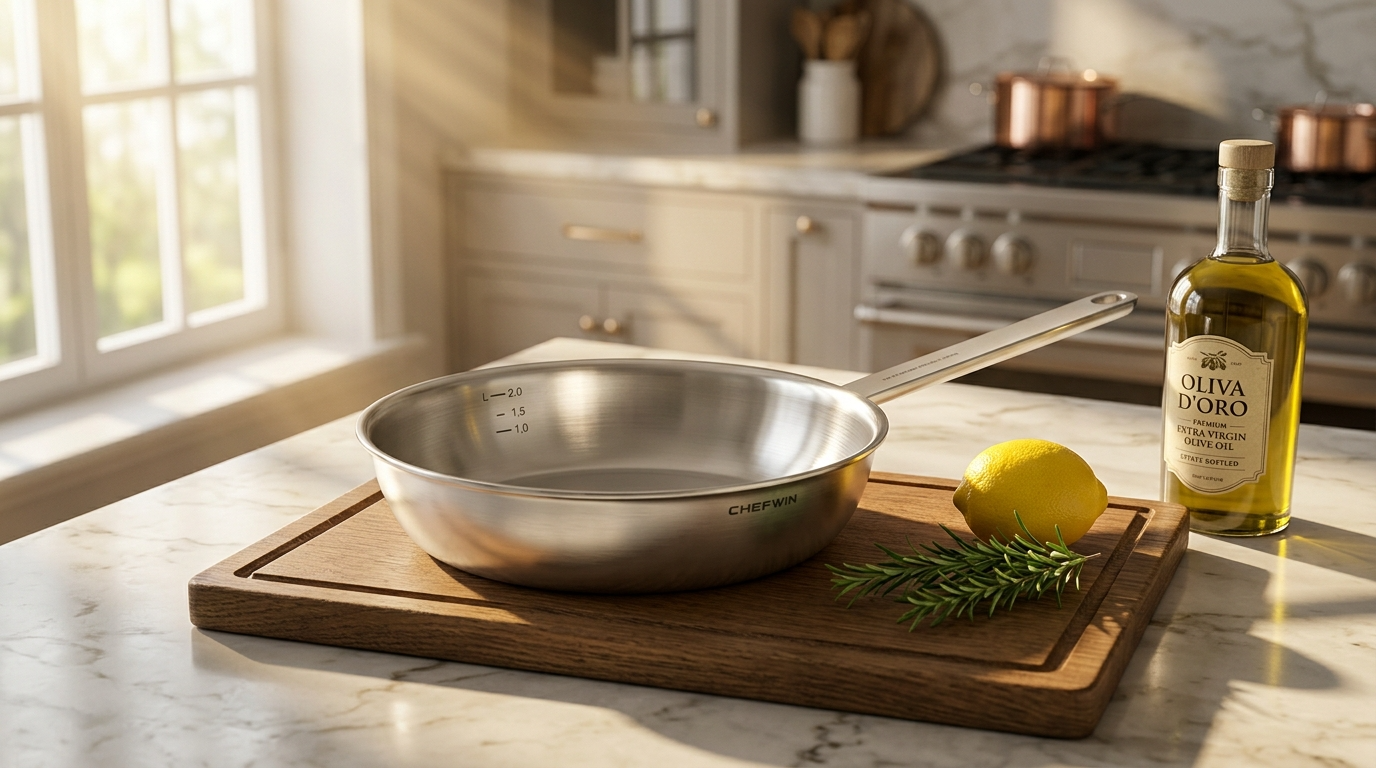
The Hidden Distinction in High-End Cookware: 304 vs. 316 Stainless Steel
Walk into any kitchenware store and you'll see "stainless steel" plastered on every box.
But here’s the question that separates savvy shoppers from the rest: "Which grade is it?" It’s a technical detail that often goes unmentioned in flashy marketing, yet the gap between 304 and 316 stainless steel is exactly what defines the longevity of your cookware.
While 304 is the industry standard, 316 is the premium choice for those who want their kitchen investment to last a lifetime. 🔬
Why This Matters in Your Kitchen 🍷
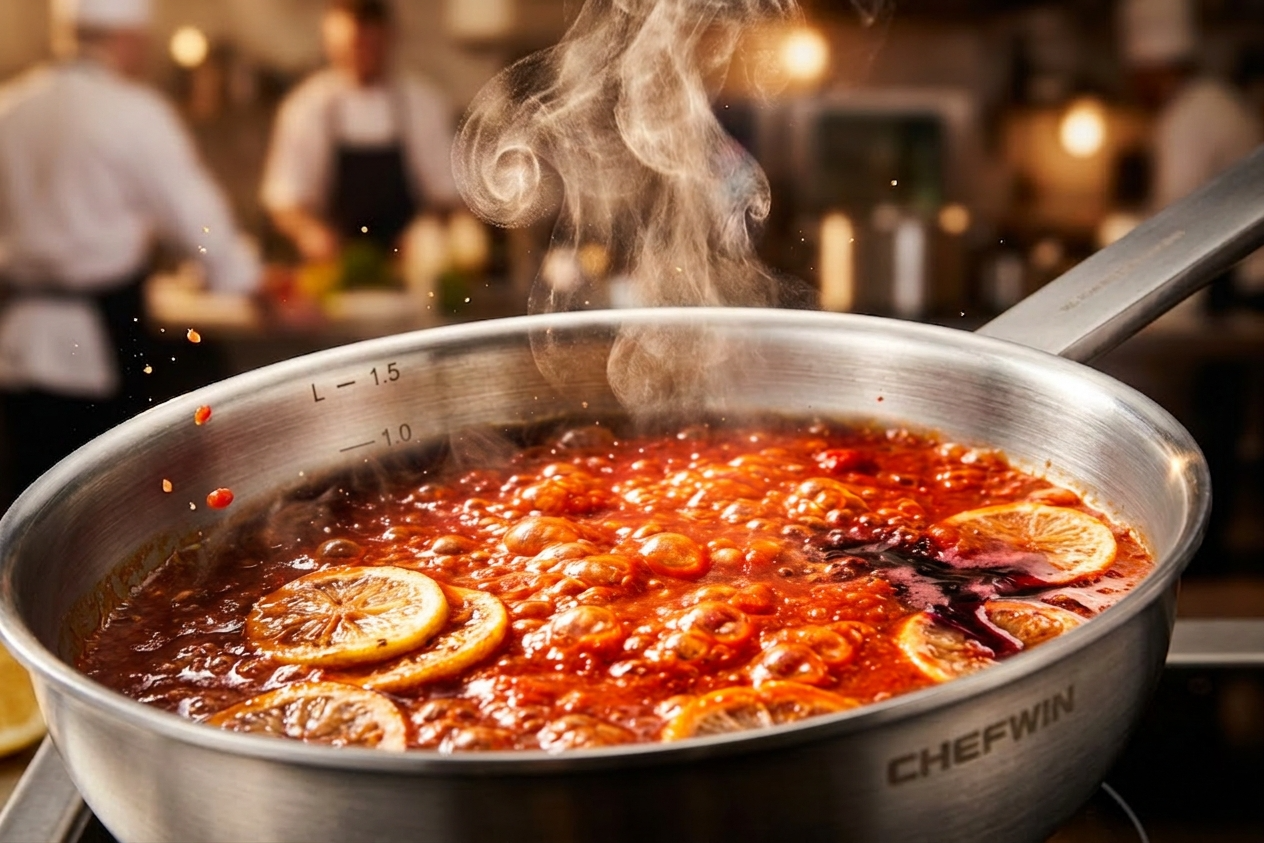
The foods you cook most are acidic:
Tomato sauce — pH 3.5–4.5
Red wine — pH 3.0–3.5
Citrus — pH 2.0–3.0
Vinegar reductions — pH 2.5–3.0
In a standard 304 pan, repeated exposure to these acids can cause microscopic surface degradation over time.
This not only dulls the appearance but can lead to trace metal migration.
316 Stainless Steel, however, handles these acids with zero surface reaction.
There’s a reason it’s the gold standard for surgical implants and marine hardware—it’s built to survive the harshest environments.
The Transparency Problem 🔍
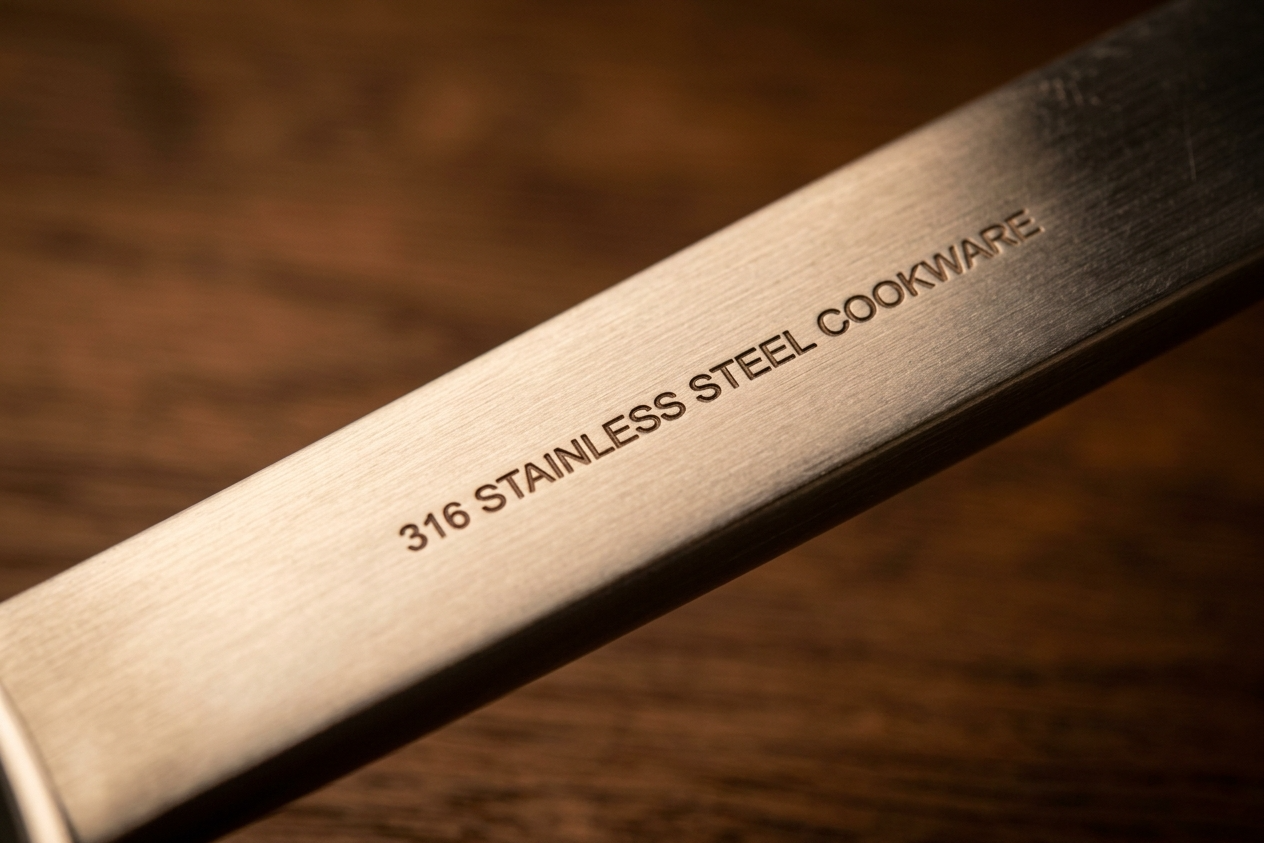
Most brands stay silent on the specifics, hiding behind the generic "stainless steel" label. Here’s a pro tip: If a brand doesn't specify the grade, it's almost certainly 304.
While 304 is functional, it’s the cheaper, more common option that lacks the long-term acid resistance of its 316 counterpart.
Is 316 Worth the Premium?
For someone who:
Cooks with wine, tomatoes, or citrus regularly ✅
Makes pan sauces and reductions ✅
Plans to keep cookware for 10+ years ✅
Yes. Unambiguously yes.
Why Chefwin? The Engineering Behind the Difference
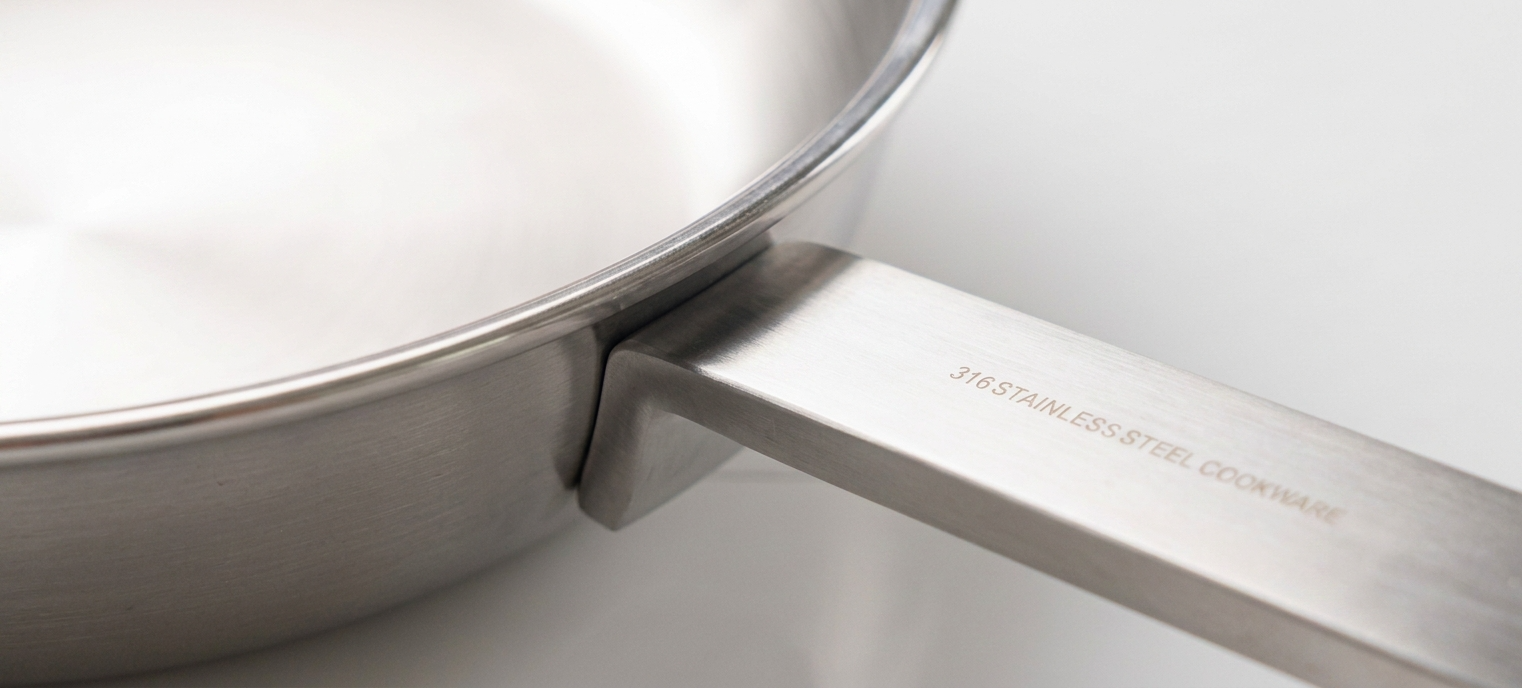
🔬 316 Stainless Steel — Surgical-grade alloy with molybdenum. Resists acids (wine, tomato, citrus) and delivers pure flavor with zero metallic interaction.
🔩 Rivet-less Seamless Handle — Welded directly to the pan body. No crevices, no grease traps, completely hygienic every wash.
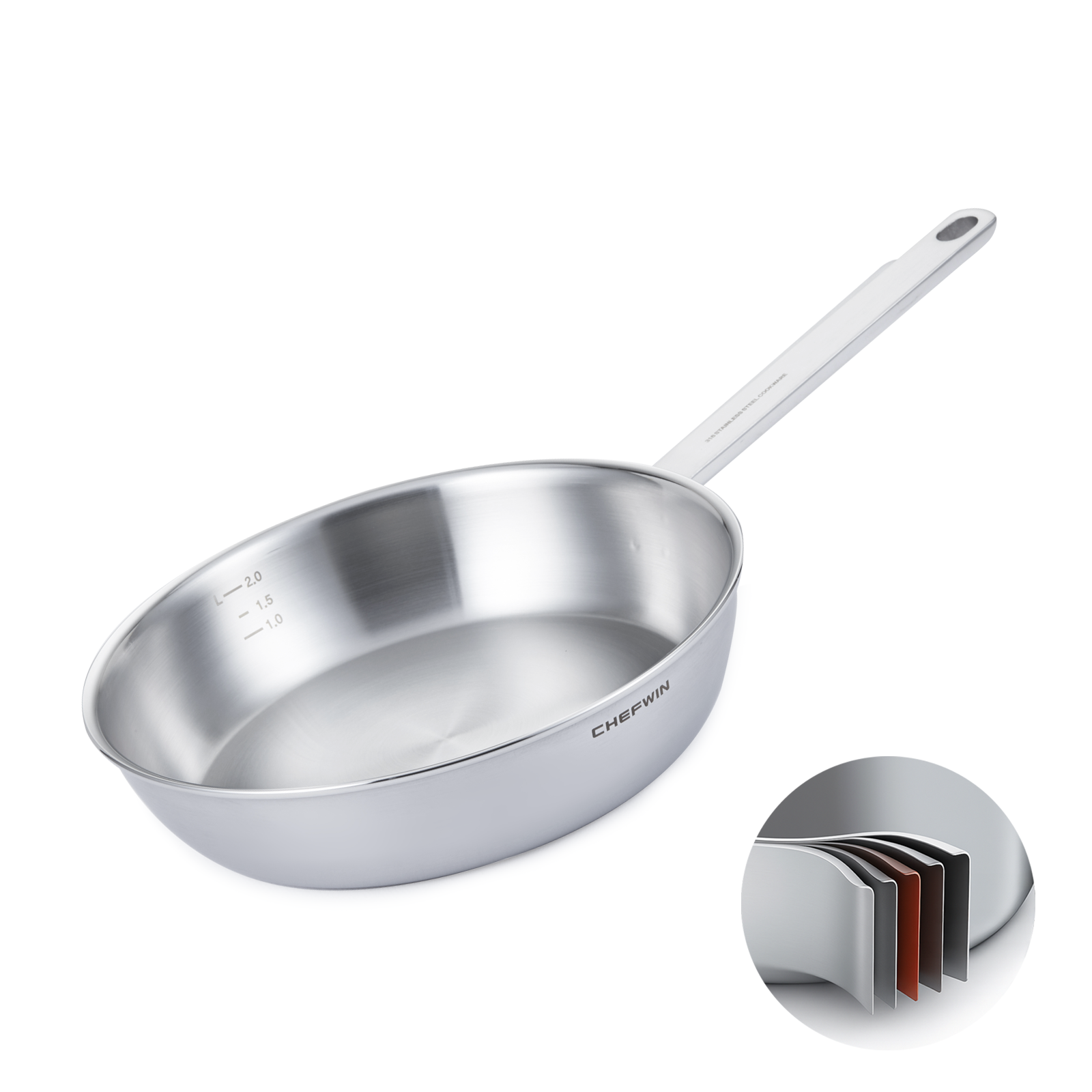
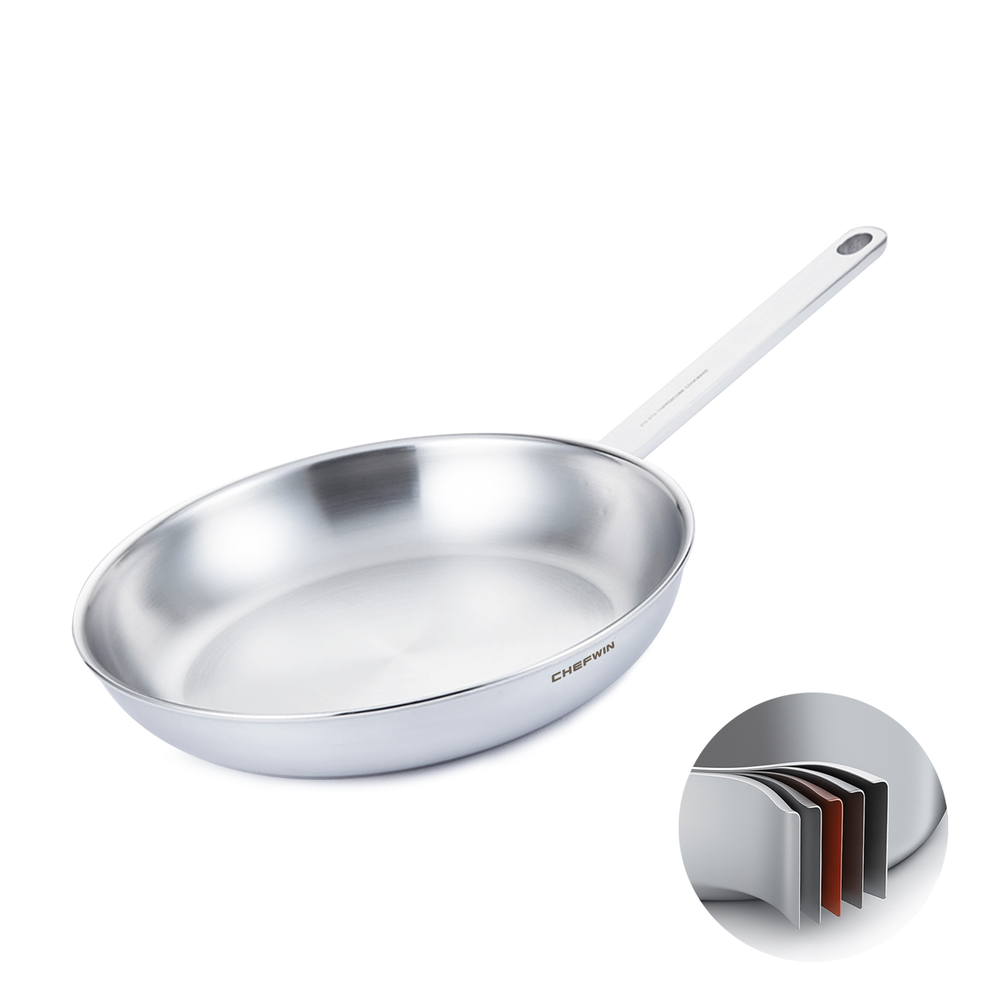
🥞 5-Ply Full-Clad Construction — Five bonded metal layers from base through sidewalls. Even heat everywhere — no hot spots, ever.
🔬 Chefwin specifies 316 because the difference is real, measurable, and worth it.
Professional-Grade Heat Control for the Home Chef
Key Highlights
The Power of Copper Core: Engineered with a high-conductivity copper center inside a premium 5-ply body. Delivers 2x faster preheating and superior heat retention compared to standard pans.
Marine-Grade 316 Stainless Steel: Surgical-grade cooking surface with exceptional corrosion resistance. Completely non-reactive, preserving the pure flavor of your food.
Precision Temperature Control: Provides immediate response to heat adjustments. Perfect for achieving a professional steak sear or simmering delicate sauces.
Hygienic Rivetless Design: Sleek, spot-welded interior with no rivets. Prevents food buildup for effortless, hygienic cleaning.
Versatile Deep Saute Shape: Designed with higher walls to minimize oil splatters and allow easy tossing. Perfect for frying, searing, and sauce-based dishes.
Technical Specs & Durability
Heavy-Duty Build: 3.5mm thickness ensures a warp-resistant body that is completely Oven-Safe.
Heat Source: Induction, Gas, Electric, and Ceramic Halogen.
Clean up: Completely Dishwasher safe.
🇰🇷 Modern Korean Cookware
Engineered by a Korean cookware brand focused on durability, functionality, and modern kitchen aesthetics.
