🍳Why Your Pan Sticks
Why Your Stainless Steel Pan is Ruining Your Dinner (And How to Fix It Like a Pro)
1. The "Sticky" Nightmare
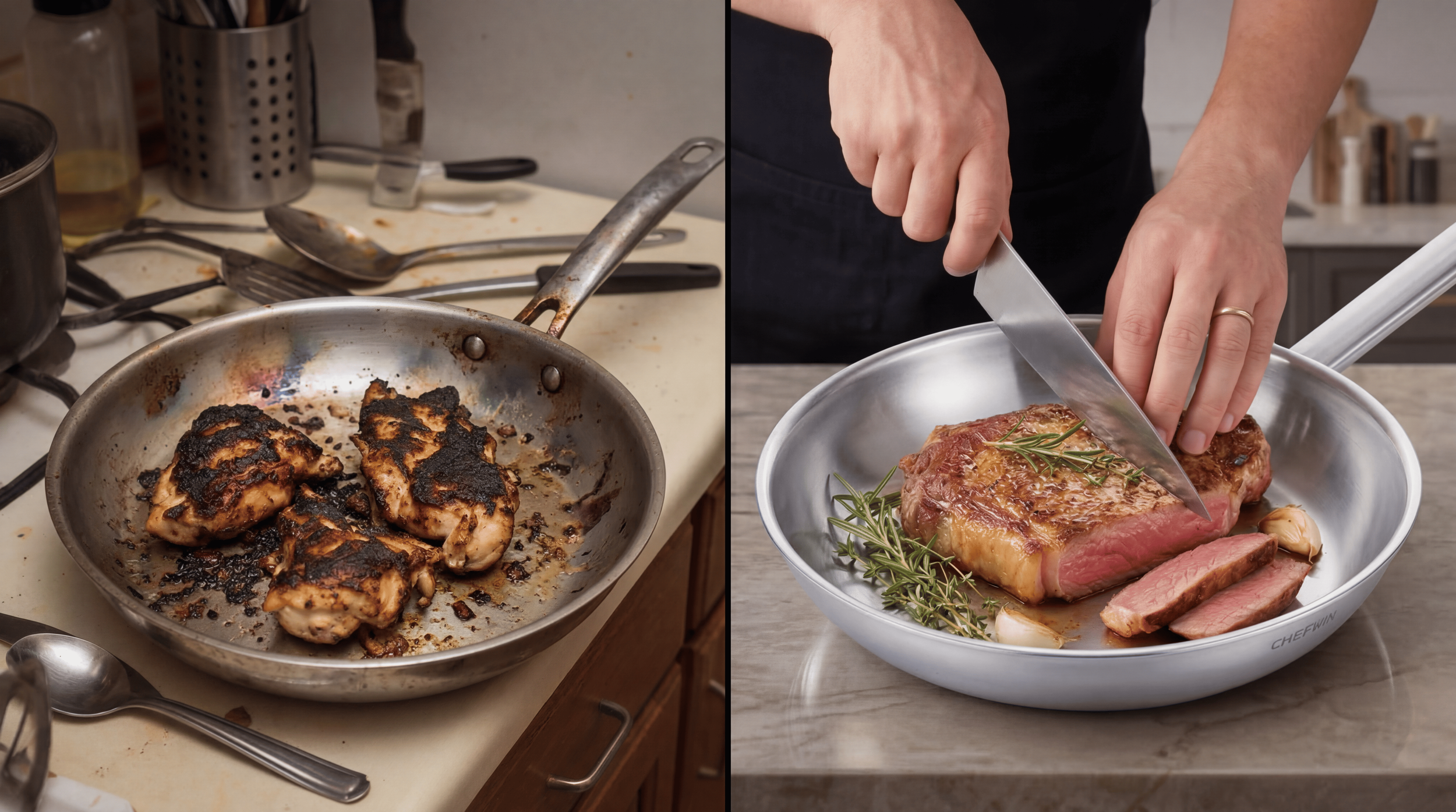
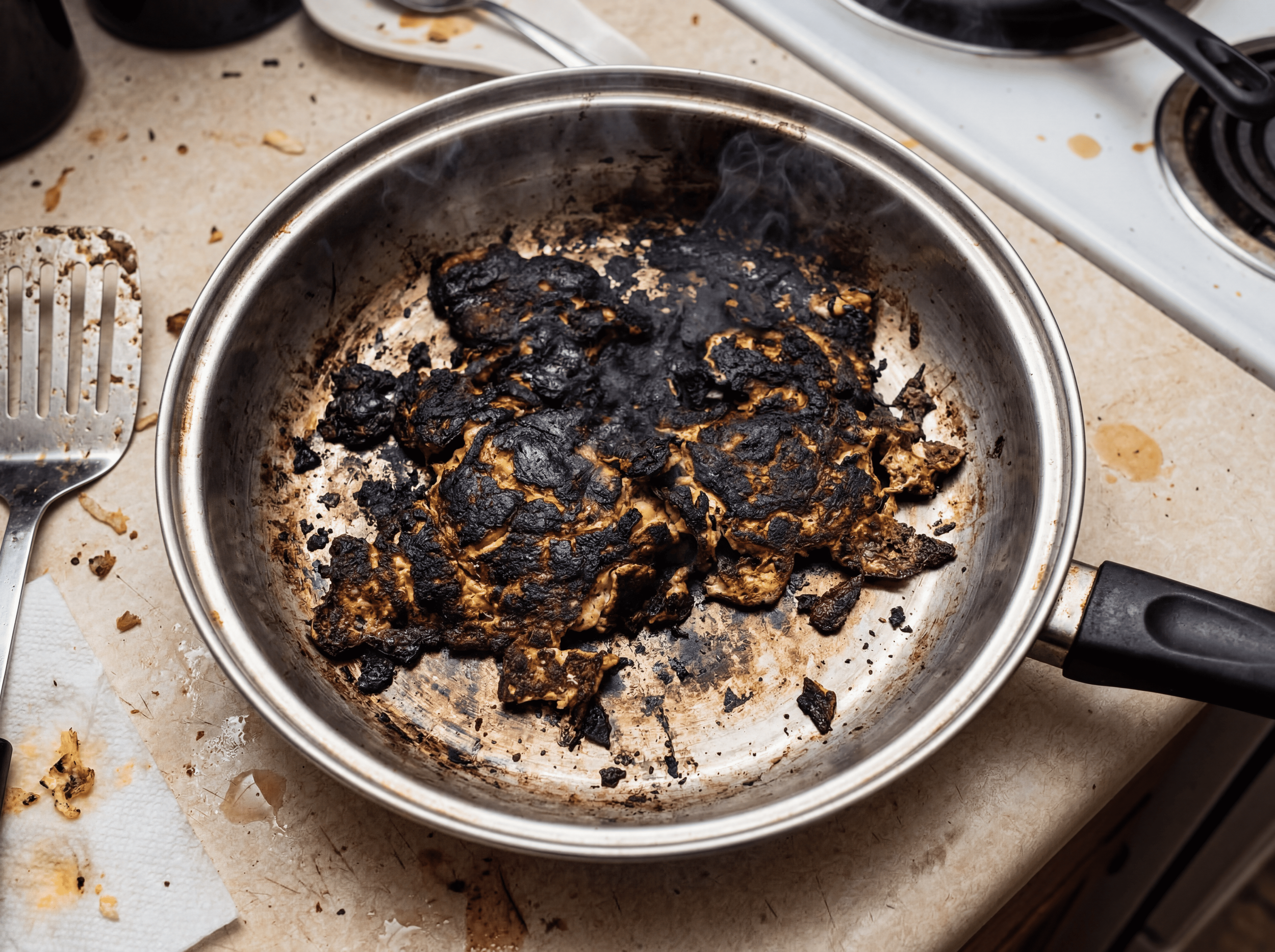
You finally invested in a beautiful, gleaming stainless steel pan, dreaming of that perfect golden-brown sear, just like the chefs on TV. But instead, your chicken breast is glued to the surface, and your morning eggs look like a scrambled disaster. You're not alone. Most people go back to their old, peeling non-stick pans because they think stainless steel is "too hard" to use. But the truth? It's not you—it's the physics.
2. Why Everything Sticks (The Science of Failure)
The frustration is real, but understanding the why is the first step to becoming a master of your kitchen. Sticking isn't random; it's a symptom of a few specific mistakes.
The Temperature Trap: This is the most common culprit. If your pan is too cold, the proteins in your food form a strong chemical bond with the metal. But if it's too hot, the oil you add will burn before the food even hits the surface, creating a sticky, bitter mess.
The Moisture Mistake: Wet food is the enemy. Water on the surface of your food immediately turns to steam, which creates a barrier between the food and the pan. This steam barrier prevents the magic of the "Leidenfrost Effect" .
The Rush Factor: You're hungry, we get it. But flipping your food too early is a guarantee for a sticky situation. The Maillard reaction—that beautiful browning—needs time to complete. Once it does, the food will naturally "release" itself from the pan.
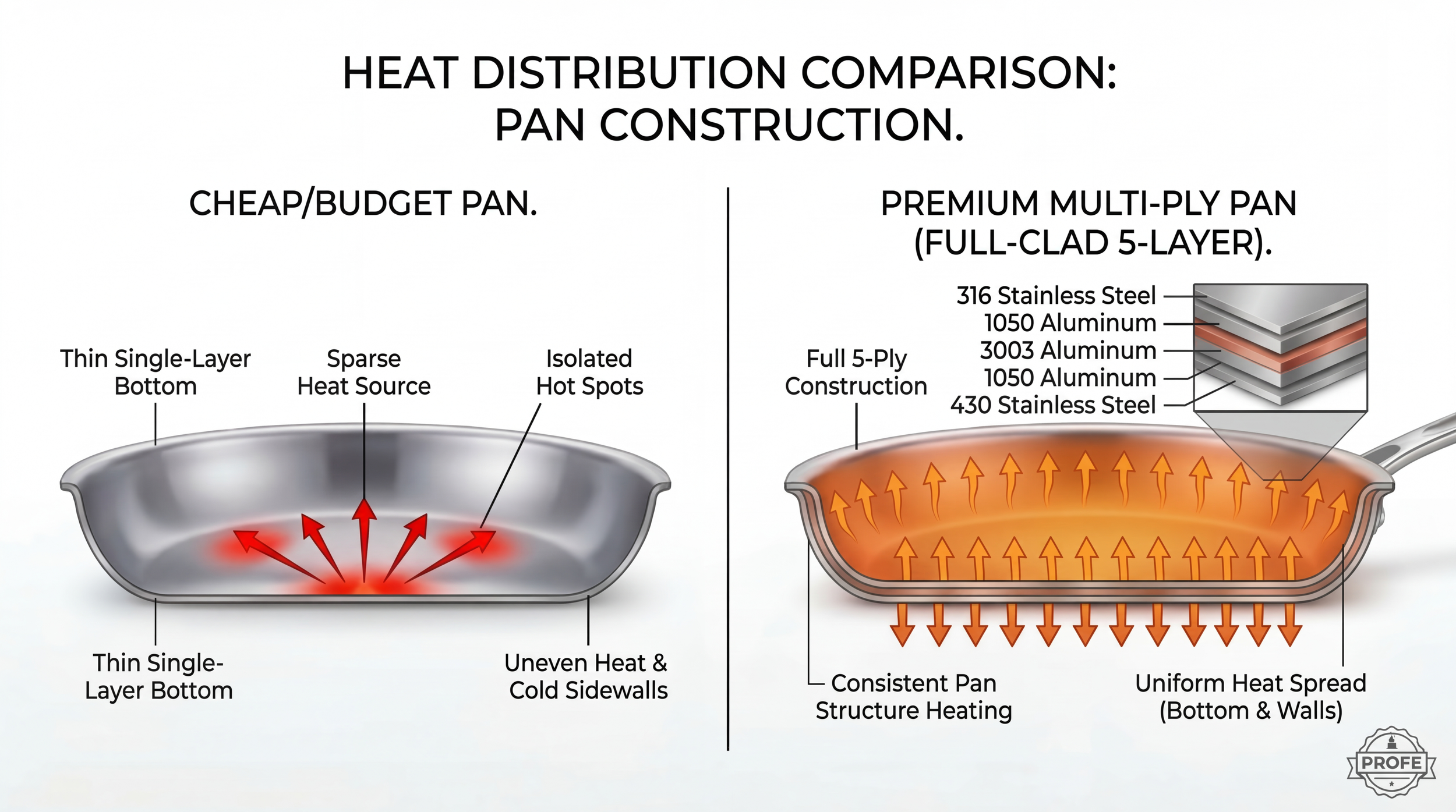
The Tool Factor: Let's be honest. Not all stainless steel is created equal. Cheap, thin-bottomed pans are the worst offenders. They are prone to "hot spots"—areas that get much hotter than the rest of the pan. Even if you get the center to the perfect temperature, the edges will be too cool, causing your food to stick around the perimeter.
3. The Secret to "No-Stick" Stainless Steel
So, how do the pros do it? It’s not magic; it’s a simple, two-part method that transforms your sticky metal into a smooth-as-silk surface.
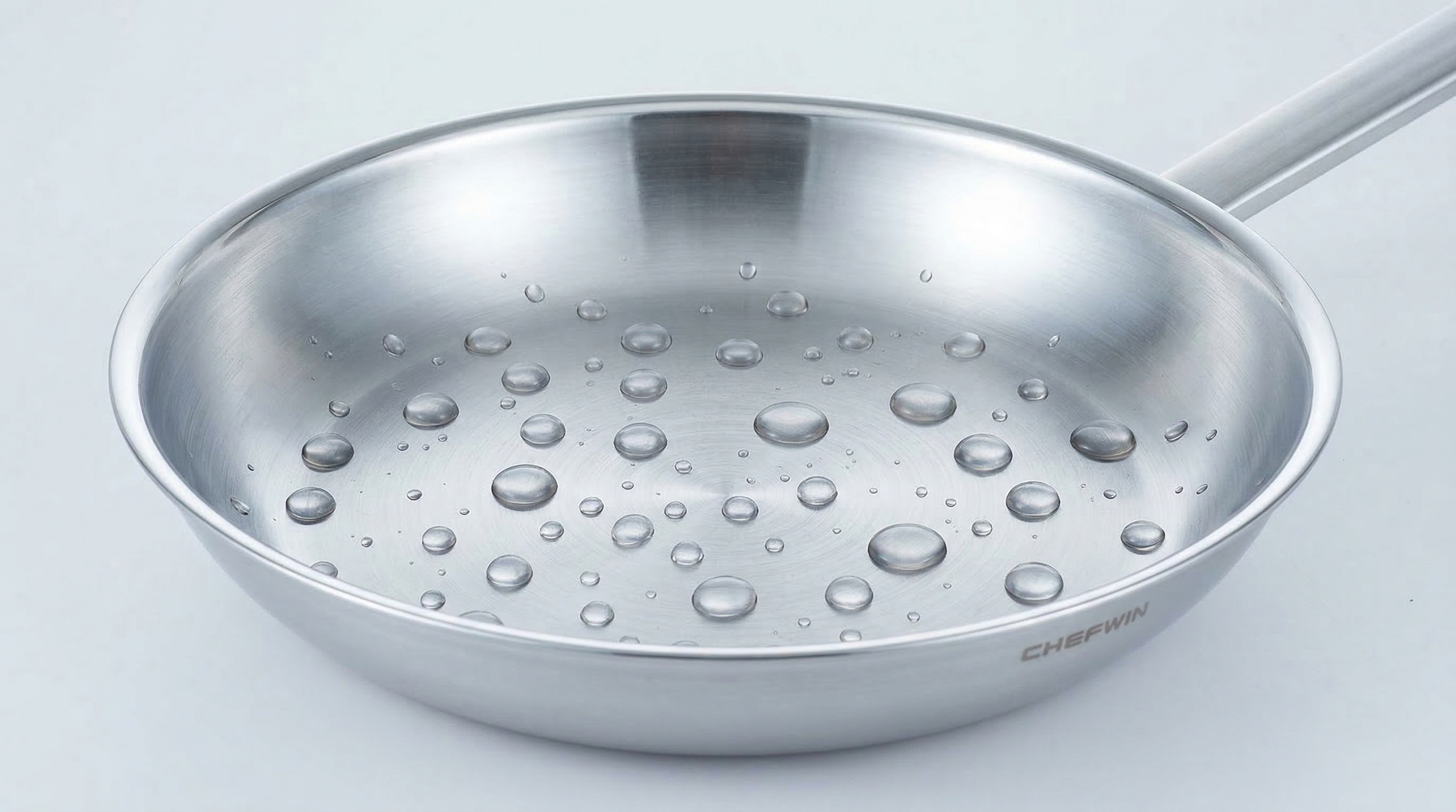
Step 1: The Water Drop Test (Your New Best Friend)
This is the non-negotiable step. Preheat your empty pan on medium heat for 2-3 minutes. Then, toss a single drop of water into it.
If it sizzles and evaporates immediately: The pan is too cold. Wait.
If it splits into tiny balls and evaporates: Still too cold. Wait.
If it beads and rolls like a marble, "dancing" on the surface: BINGO. This is the Leidenfrost Effect. The pan is hot enough that a microscopic layer of vapor forms under the water (and your food!), preventing direct contact and sticking.
Step 2: Breathe and Wait
Add your oil after the pan is at the perfect temperature, let it shimmer, and then add your dry food. Now, the most important part: Don't touch it. Give it 2-4 minutes. Resist the urge to peek. When the Maillard reaction is complete, your food will develop a delicious crust and release itself from the pan. If you have to fight it, it's not ready.
4. Is Your Cookware Holding You Back? (The Chefwin Advantage)
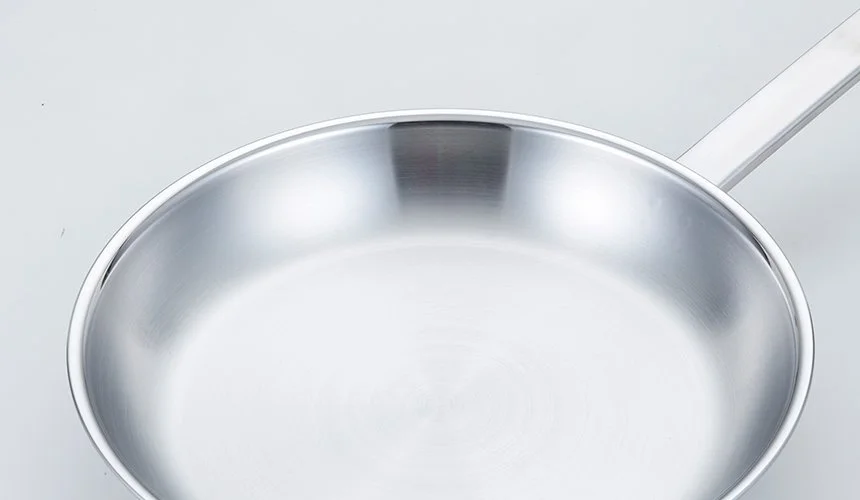
Even with perfect technique, a cheap pan can be a constant battle. That’s where the engineering of your tools comes in. For true, effortless cooking, professional chefs often look for features like 5-Ply Full-Clad construction.
What does that mean? It’s not just about the weight. A 5-ply pan is a "sandwich" of high-performance metals. It typically features layers of highly conductive aluminum and copper sandwiched between layers of durable, 316-grade surgical stainless steel (the same material used in high-end cutlery and medical implants).
The result is a pan that heats up quickly and, more importantly, retains that heat. The fast heat transfer ensures the surface is always ready for the "water drop test," and the heat retention prevents the temperature from dropping when you add cold food, keeping the "Leidenfrost Effect" alive. With no "hot spots," the entire cooking surface works for you, every single time.
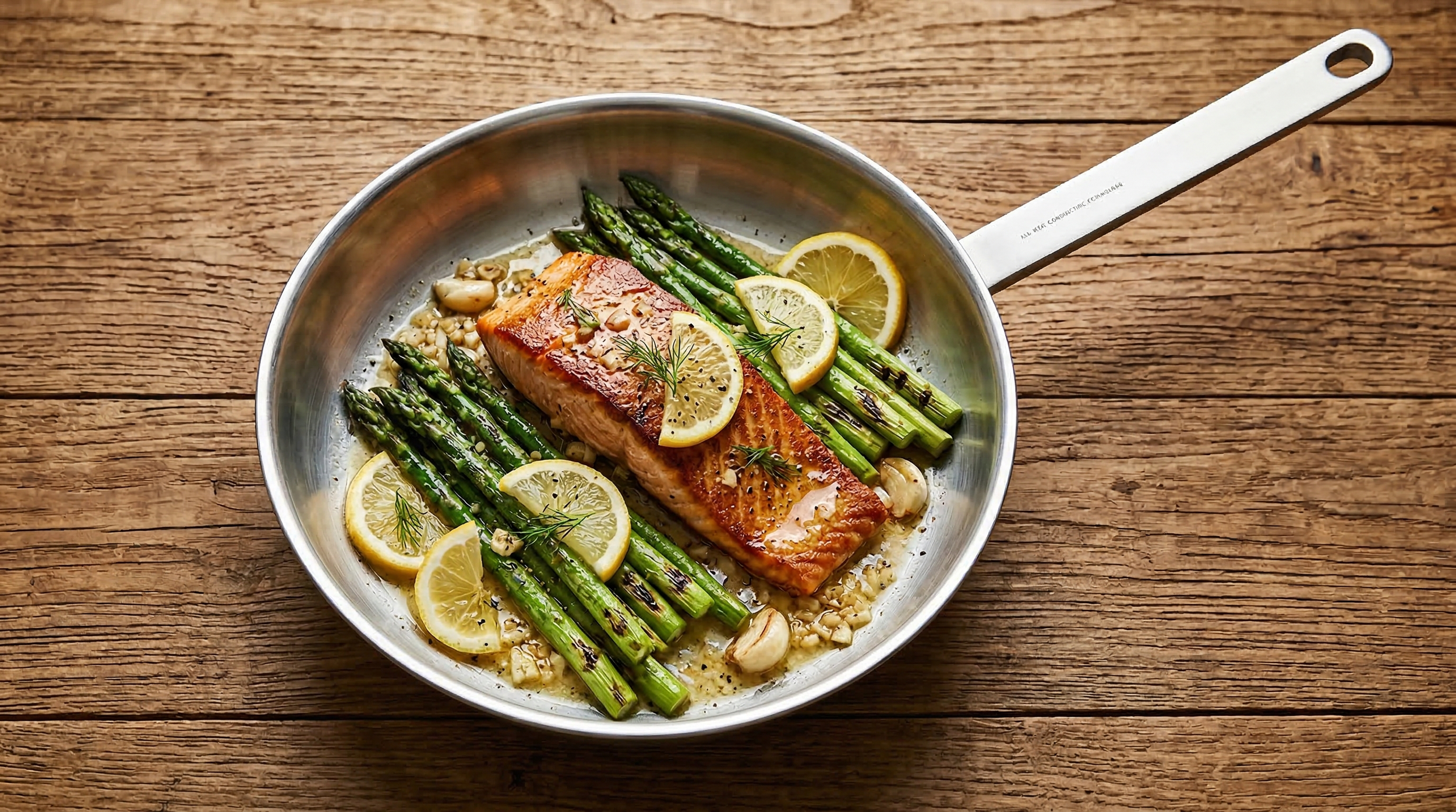
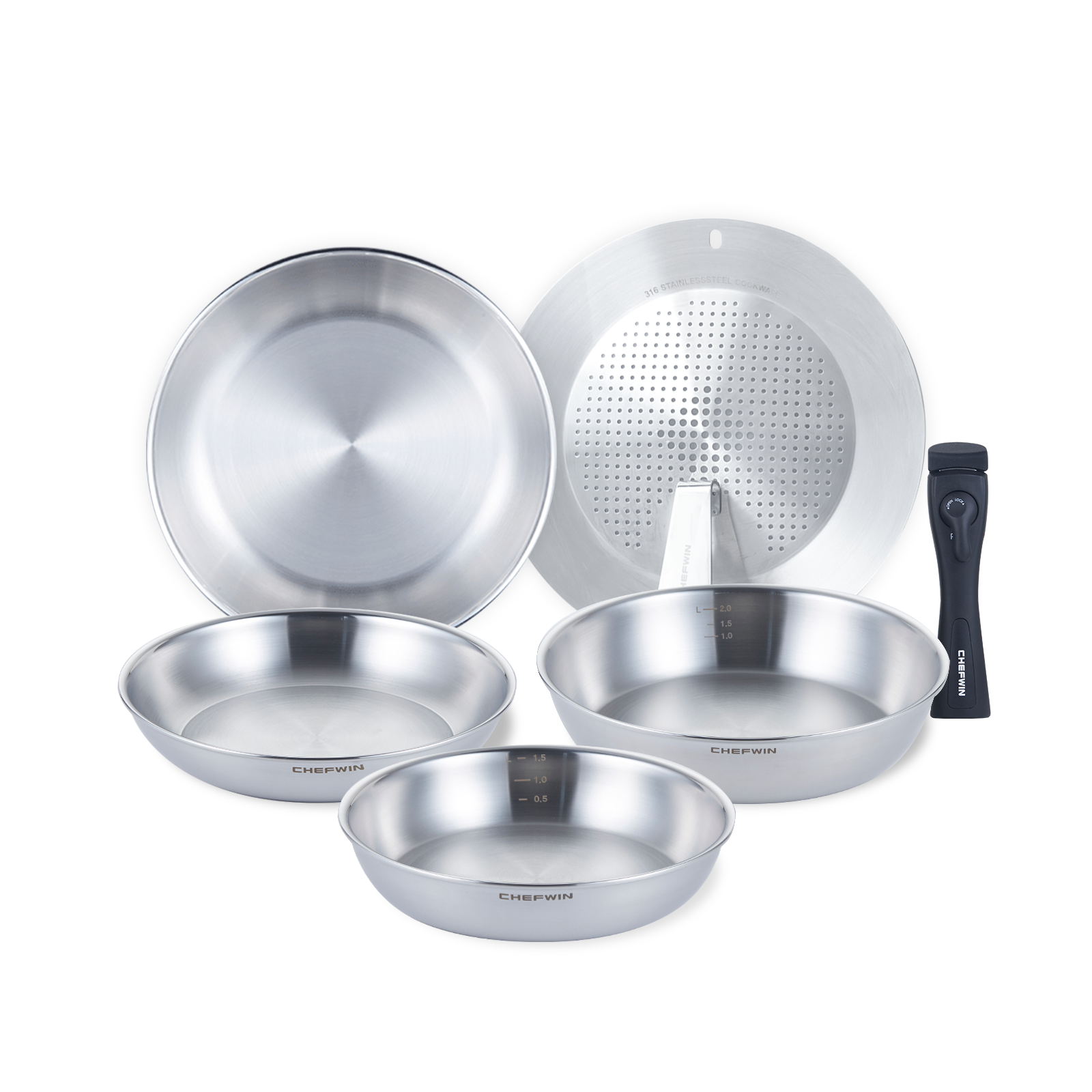
This isn't just about a brand; it’s about choosing a tool designed to solve a problem. Pans like those from Chefwin, which utilize this full-clad technology with premium materials, are a long-term investment that transforms cooking from a chore to a joy.