Why Choose Coating-Free Cookware?
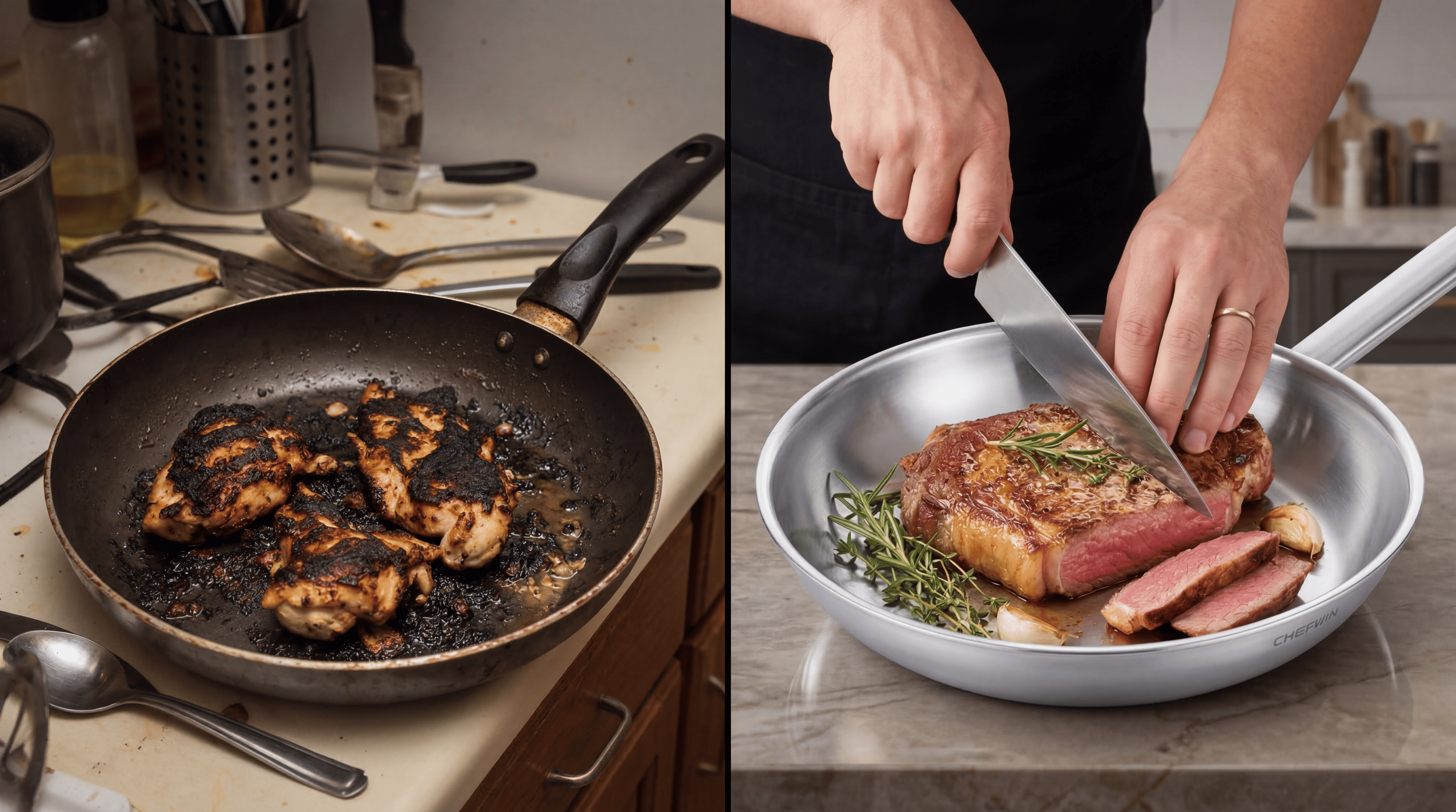
The moment a pan starts to flake, scratch, or lose its slick finish,
it stops feeling like a kitchen upgrade and starts feeling disposable.
That is exactly why choose coating free cookware has become a
practical question for so many home cooks. When you cook every day
for yourself, your partner, or your children, the material touching
your food matters just as much as the recipe.
Why choose coating-free cookware for daily cooking
Coating-free cookware appeals to people who want more certainty in
the kitchen. Instead of relying on a surface treatment that can wear
down over time, it uses the core material itself as the cooking
surface. In premium stainless steel cookware, that means the pan is
built for direct contact with food without a chemical coating
standing between your ingredients and the metal body.
For many households, that shift feels simpler and more reassuring.
You are not monitoring the condition of a nonstick layer or wondering
how much life is left in the pan after repeated heating, scrubbing,
stacking, and utensil contact. You are cooking on a durable surface
designed to stay structurally consistent year after year.
That does not mean coating-free cookware is perfect for every person
in every scenario. It asks for a little more technique, especially
when cooking delicate foods like eggs or fish. But for cooks who
value safety, durability, and long-term performance, the trade-off
is often well worth it.
A healthier starting point for the food you serve
One of the main reasons people move away from coated pans is a
preference for more peace of mind about cooking materials. Even when
a coated pan is marketed as safe under normal use, many home cooks
simply prefer not to depend on a surface that can degrade with time,
overheating, or abrasion. That preference becomes even stronger when
cooking for children, preparing baby food, or making meals several
times a day.
Coating-free cookware offers a cleaner material story. High-quality
stainless steel is non-reactive, stable, and well suited to a wide
range of ingredients, from acidic tomato sauces to slow-simmered
soups. You are not managing a fragile top layer. You are cooking on
a surface chosen for hygiene and material integrity.
This is where material quality matters. Not all stainless steel is
equal, and better construction creates a better cooking experience.
Medical-grade stainless steel,
for example, is valued for its corrosion resistance, durability, and
hygienic properties. For families who see cookware as part of a
healthier kitchen system, that level of engineering is not a luxury.
It is peace of mind. This is the principle CHEFWIN has built its
entire cookware line around — offering a coating-free, medical-grade
surface that families can trust meal after meal.
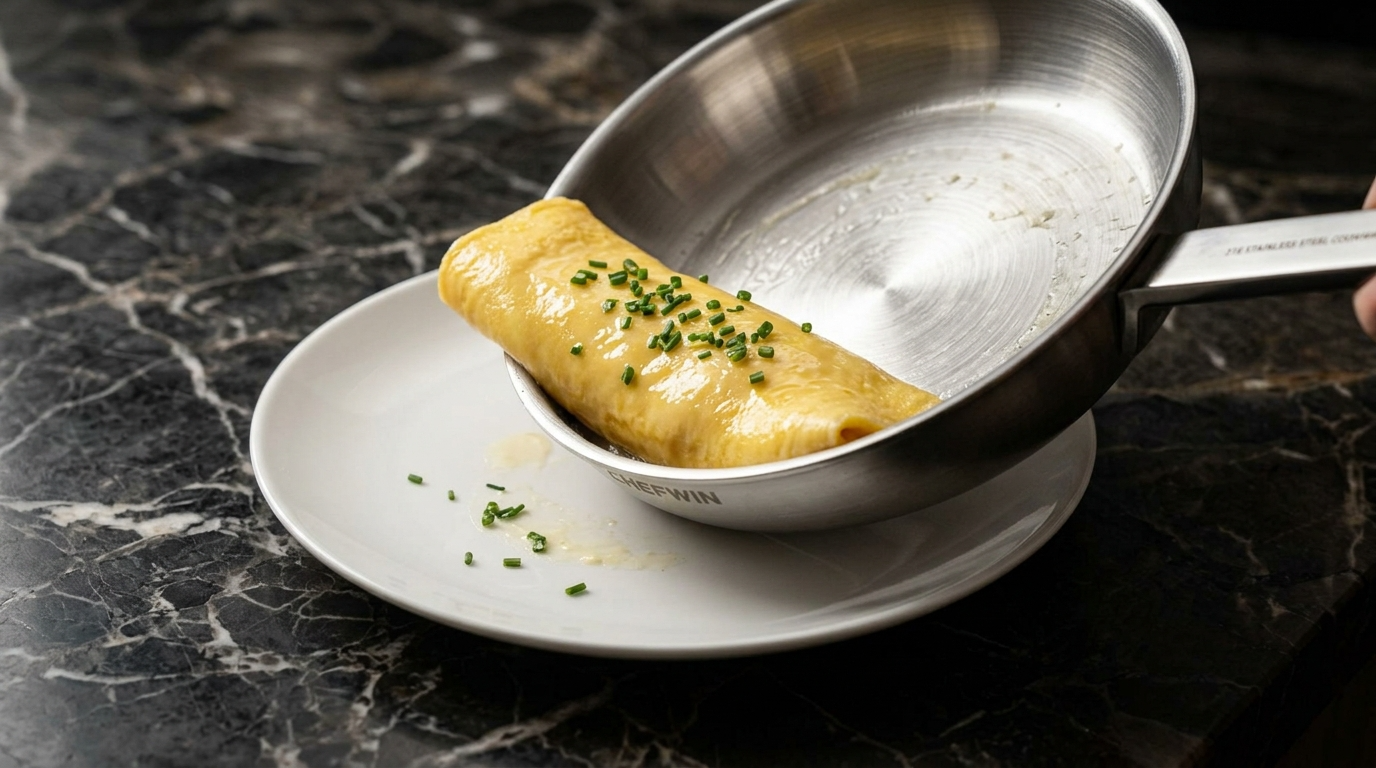
Performance matters just as much as safety
People sometimes assume coating-free cookware is only about avoiding
something. In reality, the better reason to choose it is what it
adds. Good stainless steel cookware can deliver excellent searing,
steady simmering, responsive heat control, and the kind of browning
that builds flavor.
That is especially true when the cookware is engineered with a
multi-ply body rather than a thin base disc. Full-body 5-ply
construction allows heat to move more evenly across the pan,
reducing hot spots and giving you better control from edge to edge.
If you have ever tried to brown chicken in a flimsy pan and found
one side pale while another burns, you already know how much
construction affects results.
Coated cookware often wins on easy release, especially at the
beginning of its lifespan. Stainless steel wins on versatility and
heat performance. It handles higher temperatures more confidently,
which matters when you want a proper sear on salmon, caramelization
on onions, or fond for a pan sauce. Those are not chef-only goals.
They are the details that make weeknight meals taste fuller and
more satisfying.
Durability changes the value equation
A pan that performs well for two years is not necessarily a better
buy than one that performs beautifully for ten or twenty. This is
one of the strongest arguments for coating-free cookware. Without a
coating that gradually wears down, the cookware has a longer useful
life when it is properly made and properly cared for.
That longevity is not just about saving money, although it certainly
helps. It is also about reducing frustration. You do not want to
replace a favorite skillet because the surface is scratched. You do
not want to baby your cookware, avoid certain utensils, or wonder
whether stacking it caused damage. A well-built stainless steel pan
is designed to be part of your kitchen for the long haul.
This is where premium craftsmanship earns its place. Rivetless interiors
are easier to clean and more hygienic because there are fewer
crevices for residue to collect. Solid, balanced construction feels
more secure on the stove. Detachable or space-saving designs can
also matter more than people expect, especially in homes where
cabinet space is limited but cooking volume is high.
Hygiene is not a small detail
For many families, hygiene is the deciding factor. Cooking surfaces
should be easy to clean thoroughly and should not trap food in
awkward corners. Smooth stainless interiors, especially those with
thoughtful construction details, are a strong fit for this priority.
If you prepare soups, porridges, meal prep proteins, and baby food
in the same kitchen, cleanliness becomes more than a preference. It
becomes part of your daily routine. Coating-free cookware supports
that routine because the surface is durable enough for regular,
thorough cleaning without the same concern about wearing away a
delicate finish.
There is also a psychological benefit here. A pan that feels truly
clean gives you more confidence every time you use it. That
confidence matters when cooking for the people you care about most.
The learning curve is real, but manageable
A fair article on why choose coating-free cookware should acknowledge
the most common hesitation: food sticking. Stainless steel does
require a different rhythm than coated nonstick. If the pan is not
properly preheated, or if food is moved before it naturally releases,
sticking is more likely.
The good news is that this is usually a technique issue, not a
product failure. Once you learn heat control, preheating,
and using the right amount of oil or fat, cooking becomes far more
intuitive. Proteins release when they are ready. Vegetables brown
more evenly. Sauces benefit from the flavorful bits left behind.
It also helps to think in terms of cookware roles. A coating-free
stainless steel pan can handle most daily cooking with excellent
results, but some cooks still like keeping one specialized nonstick
pan for a very narrow set of tasks. That is a personal choice. For
many households, though, the switch to coating-free cookware becomes
easier once they see how much more capable it is than expected.
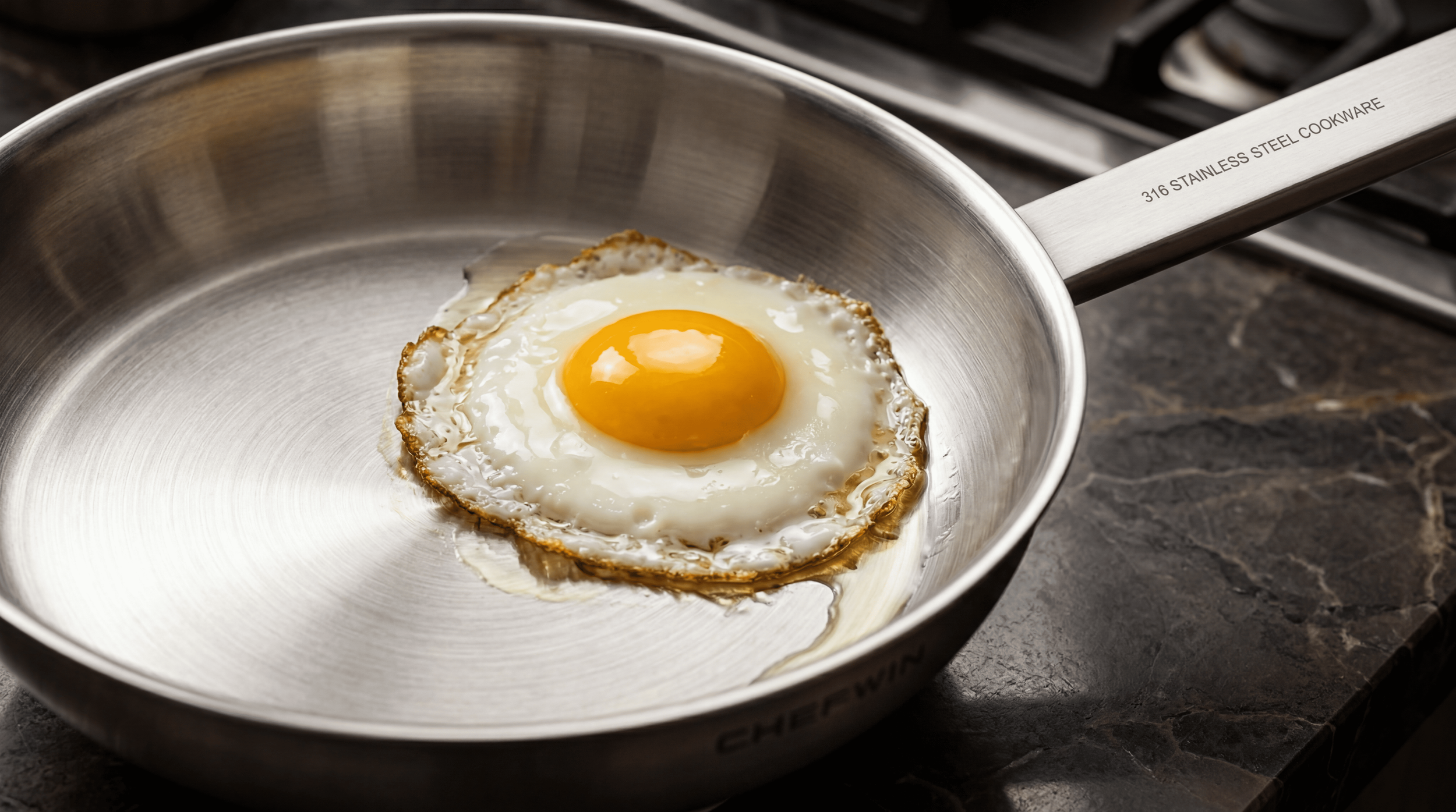
Why quality construction makes all the difference
Not every coating-free pan delivers the same experience. Thin
stainless steel can scorch, warp, or heat unevenly. That can lead
people to blame the material when the real issue is low-grade
construction.
What you want is cookware built with enough mass and layering to
distribute heat consistently, respond well across different cooktops,
and hold up under frequent use. Oven compatibility, induction
readiness, comfortable handles, and universal lids also improve the
experience in ways that feel practical every single day.
This is where a premium brand like CHEFWIN speaks directly to what
modern households need. Medical-grade stainless steel, full 5-ply
construction, rivetless interiors, and space-saving design features
are not just impressive specifications. They solve real problems:
uneven cooking, difficult cleaning, cluttered storage, and the short
lifespan of lower-quality pans.
A better fit for people who cook with intention
Choosing coating-free cookware often reflects a bigger shift in
mindset. It means you are buying less often and choosing more
carefully. You want cookware that supports family meals, holds up
under repetition, and feels as reliable on year five as it did on
day one.
That mindset suits home cooks who care about ingredients, meal
quality, and long-term value. It also suits people who do not want
to keep revisiting the same purchase because a coating failed. When
cookware is built from durable, hygienic materials and engineered
for real performance, it stops being disposable kitchen equipment
and starts becoming part of how your home runs.
If you are weighing the switch, the right question may not be
whether coating-free cookware is the easiest option on day one. It
may be whether it is the better option for the next decade of meals
you plan to make.
Bringing it home
If you are ready to make that long-term switch, explore the CHEFWIN
coating-free cookware collection — built with medical-grade stainless
steel, full 5-ply construction, and rivetless interiors designed for
the way real families actually cook.
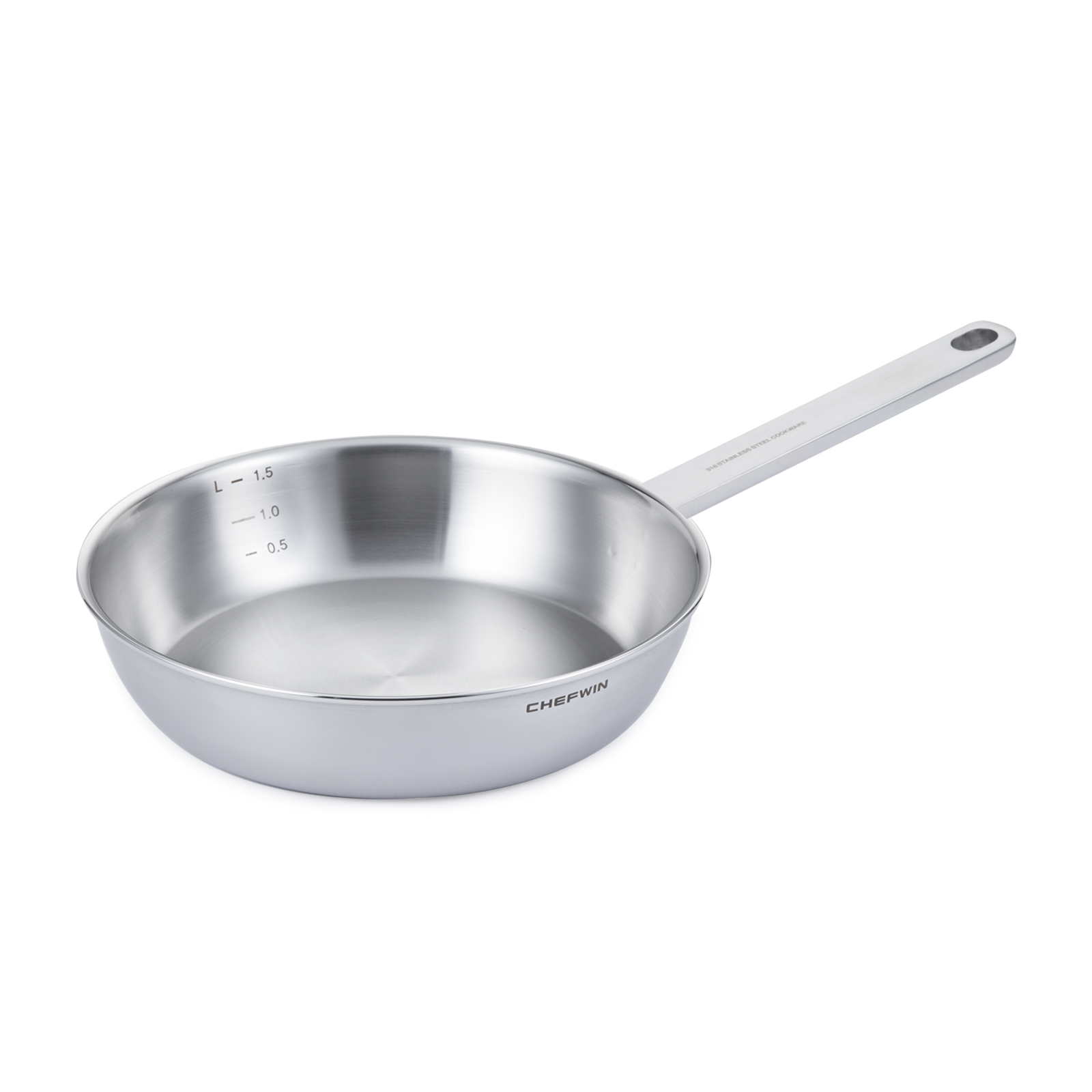
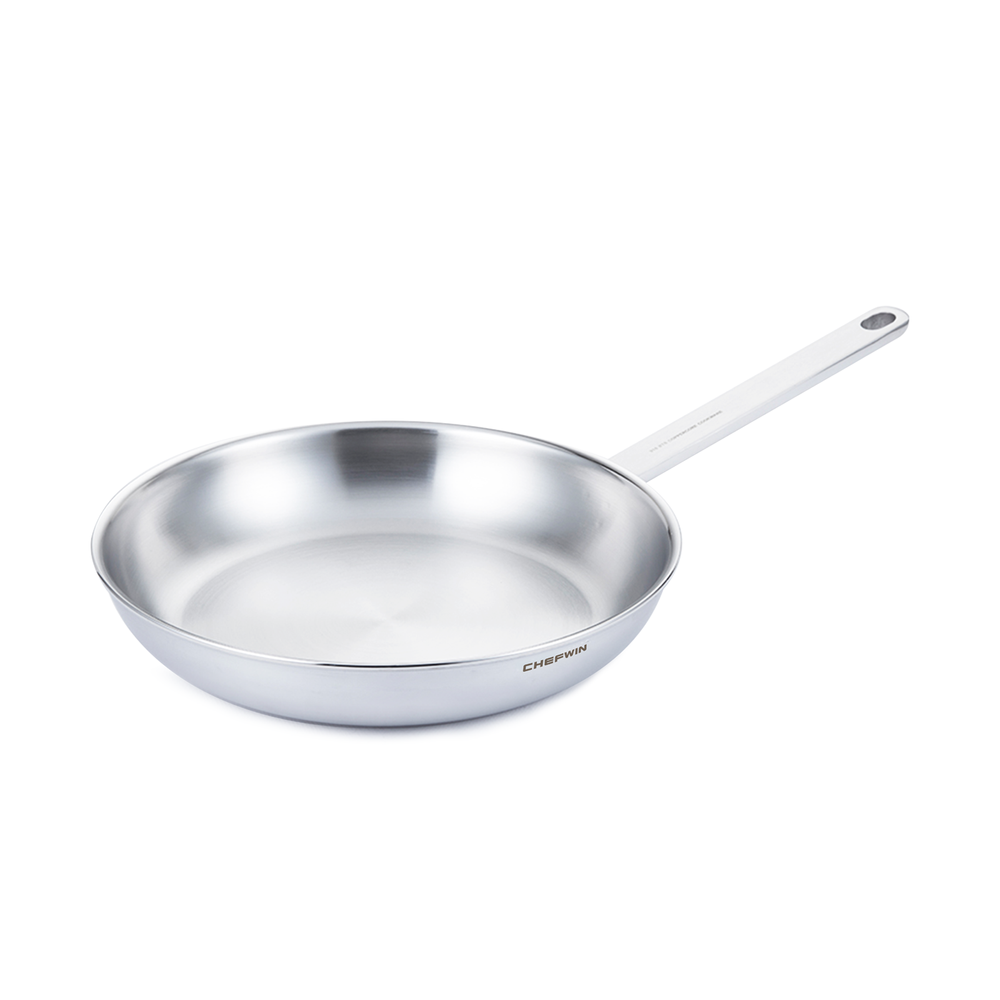
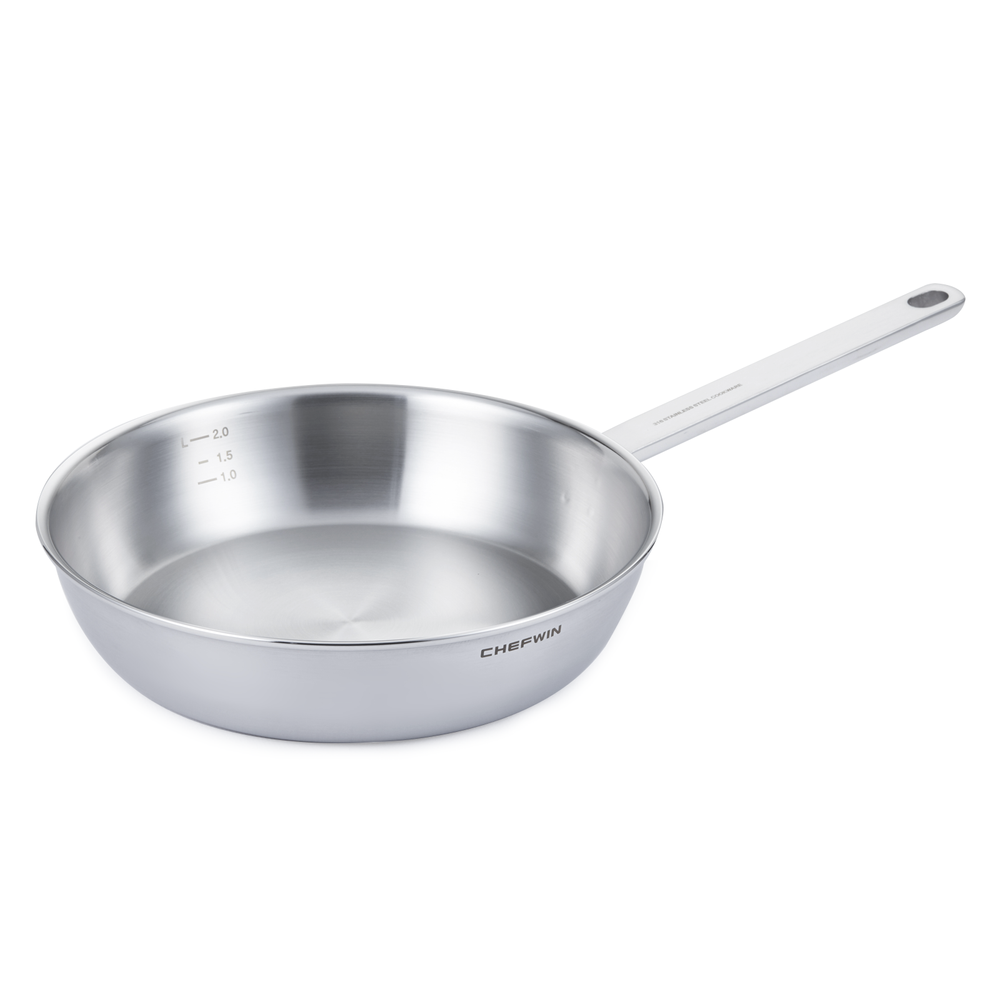
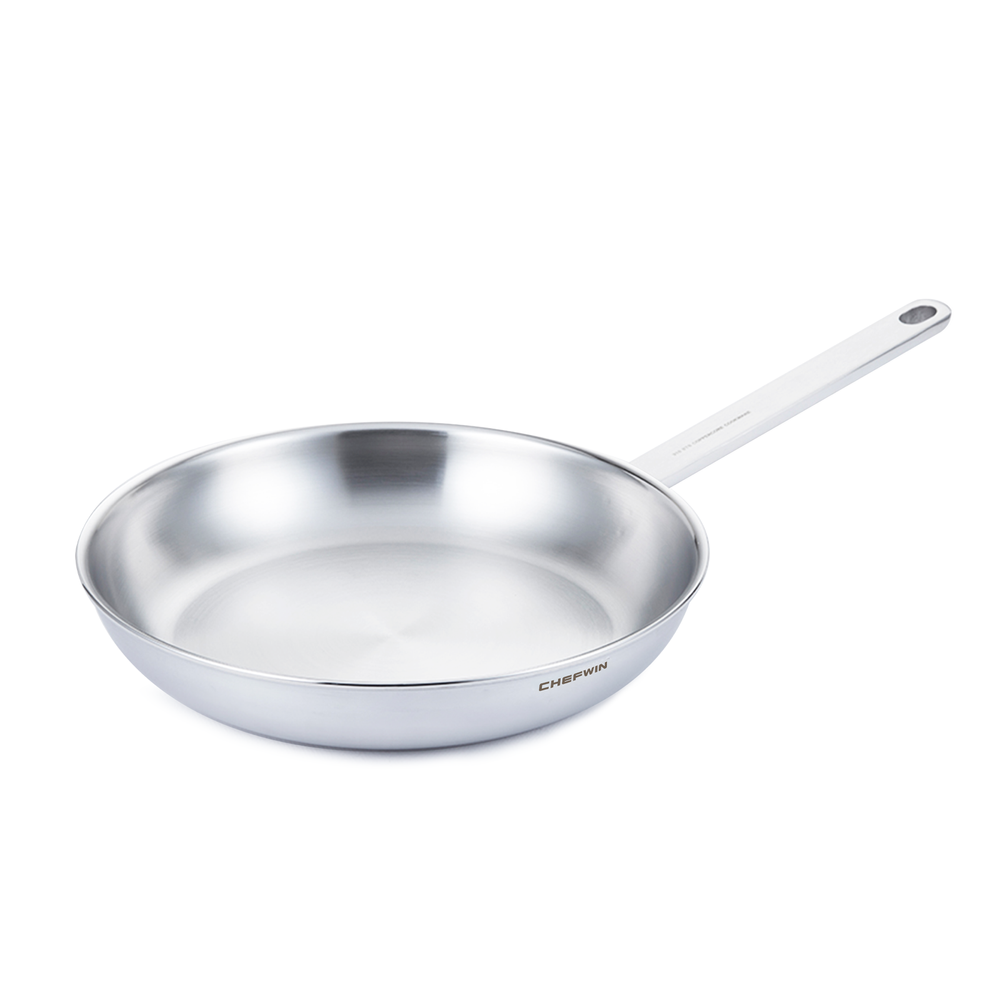
CHEFWIN Premium 316 Stainless Steel 5-Ply Frying Pan (8.6"/22cm)
Key Highlights
Medical-Grade 316 Stainless Steel: Surgical-grade surface with higher corrosion resistance than standard 304 steel. Perfect for salty or acidic foods, ensuring lifetime safety.
Ultimate 5-Ply Body (3.5mm): Extra-thick 3.5mm construction ensures even heat distribution across the entire surface, preventing hot spots and providing the perfect sear.
Versatile Deep Saute Shape: Designed with higher walls to reduce oil splatters and allow easy tossing. Perfect for frying, stir-frying, and sauce-based dishes.
Hygienic Rivetless Design: Sleek, spot-welded interior with no rivets or screws. Prevents food from getting trapped for effortless, hygienic cleaning.
Universal Compatibility: Works perfectly on Induction, Gas, Electric, and Ceramic cooktops. Oven-safe up to 600°F and completely Dishwasher safe.
Product Specifications
Diameter: 8.6-Inch (22cm)
Thickness / Weight: 3.5mm / Approx. 1.42kg
Material: Premium 316 Stainless Steel (Interior) / 5-Ply Full Body
🇰🇷 Modern Korean Cookware
Engineered by a Korean cookware brand focused on durability, functionality, and modern kitchen aesthetics.
